How to Make Crispy Vegetables in Drunken Noodles
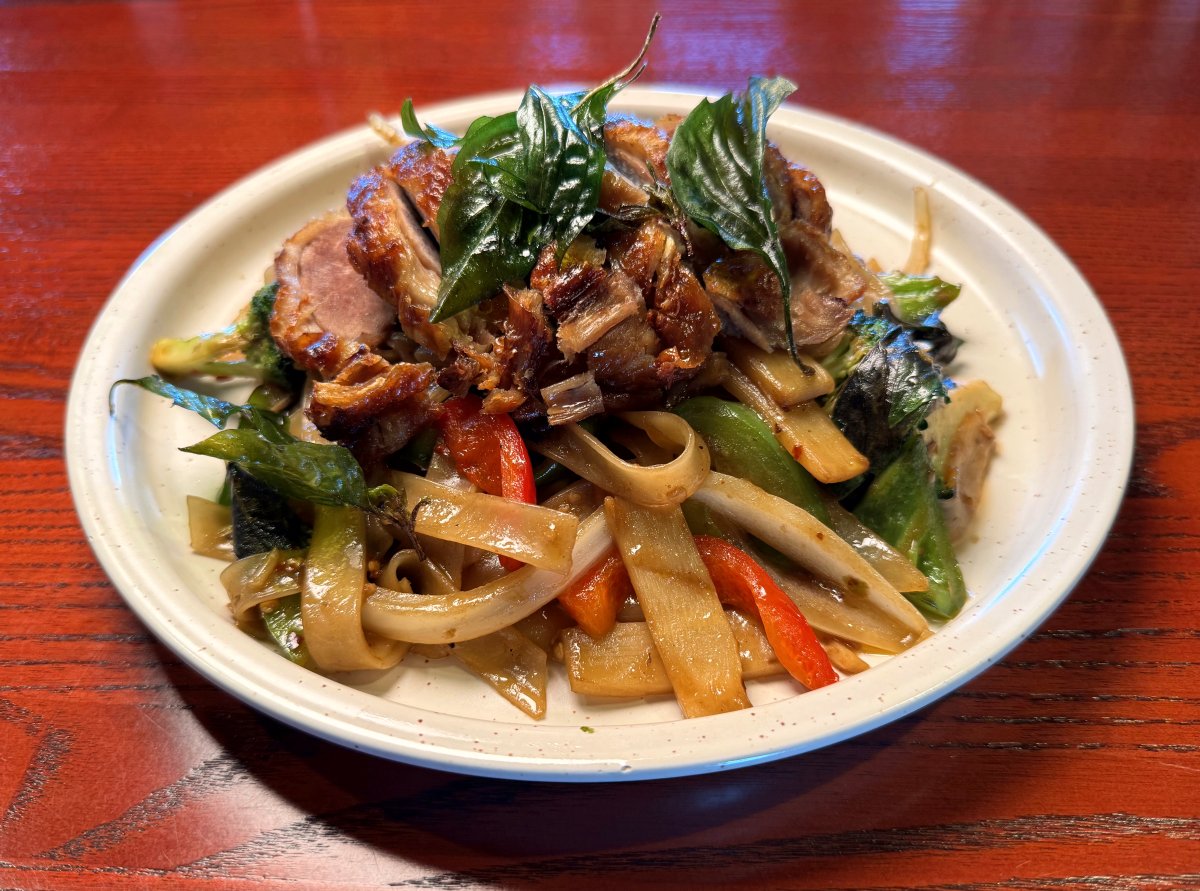

Drunken Noodles live or die on contrast. The noodles should be glossy and chewy, the sauce bold and a little sweet, the aromatics fragrant, and the vegetables still lively enough to push back when you bite them. That last part is where many home cooks get disappointed. They expect crisp-tender vegetables, but what lands in the bowl is limp bell pepper, collapsed broccoli, and onion that tastes fine but feels tired.
Crispy vegetables in Drunken Noodles are not an accident. They come from heat, timing, moisture control, and restraint. The dish cooks fast, but it only feels easy once you understand what should happen in the pan and what should never happen. If you have ever made a stir-fry that turned watery halfway through, or watched beautiful vegetables steam instead of sear, you have already met the main problem.
The fix is not complicated, but it is specific. You need the right vegetables, cut in the right size, cooked in the right order, with enough heat to blister the edges before the interior softens too much. You also need to treat the sauce as a finishing tool rather than a bath. Drunken Noodles should coat vegetables, not drown them.
What “crispy” means in a noodle stir-fry
It helps to define the target. In a dish like Drunken Noodles, crispy does not mean battered or deep-fried. It means vegetables with enough structure left that they snap, crunch, or resist gently under the teeth. A green bean should bend slightly, then crack. A slice of bell pepper should still have tension. Chinese broccoli stems should remain juicy and firm, while the leaves catch heat just long enough to wilt around the edges.
That texture matters because Drunken Noodles are rich and intense. Wide rice noodles absorb sauce quickly and become supple. Thai basil softens almost instantly. The sauce, usually built around soy sauce, oyster sauce, fish sauce, sugar, and chile, is powerful. Without fresh texture from the vegetables, the whole plate can feel heavy and one-note.
In restaurant kitchens, the vegetables stay crisp because the wok is hot enough to evaporate surface moisture immediately. Ingredients are added in a sequence that respects their water content and their cooking time. Home cooks can absolutely get close, but only if they stop trying to cook everything at once.
The biggest reason vegetables go soft
Most soggy stir-fried vegetables suffer from trapped moisture. Water comes from three places: freshly washed produce, crowded pans, and sauces added too early. Once that moisture pools in the pan, the vegetables steam instead of fry. Steaming is useful in many dishes, but not when your goal is charred edges and a crisp bite.
Crowding is especially destructive. A skillet piled with noodles, sauce, broccoli, onions, peppers, and basil cannot hold enough heat to sear effectively. The pan temperature drops. The vegetables release more liquid than the pan can evaporate. Then the noodles absorb that liquid and get sticky, while the vegetables soften long before they pick up color.
I learned this the hard way years ago cooking for a weekend dinner rush in a small catering kitchen. We did not have a full wok station, just heavy sauté pans and speed. The batches that stayed sharp and bright were always the smaller ones. The overloaded pans looked productive at first, but within two minutes they were swimming. The food was edible, but it had lost that unmistakable stir-fry vitality.
Start with vegetables that can stand up to heat
Not every vegetable belongs in Drunken Noodles if crispness is the priority. Tender vegetables with very high water content, such as zucchini or mushrooms, can be delicious in the dish, but they demand extra care and often soften the whole pan. If you want reliable texture, choose vegetables that naturally hold structure under high heat.
Chinese broccoli is one of the best choices because it gives you two textures in one ingredient. The stems stay firm if sliced properly, and the leaves wilt quickly without turning to mush. Bell peppers are another strong option because they can char slightly while keeping sweetness and crunch. Green beans, snap peas, carrots, baby corn, and onion all work well if they are cut for speed and cooked briefly.
Broccoli florets are popular and perfectly usable, but they need attention. If the florets are too large, the outer buds overcook before the stems become tender. Slice them smaller than you think you need. Thin carrots perform better than thick coins. Onion wedges often fare better than thin slices because they keep shape longer and can brown on the cut surfaces.
A practical rule is simple: if a vegetable needs more than a few minutes to become pleasant to eat, cut it smaller or pre-cook it lightly. Stir-frying is fast. Your knife work needs to support that pace.
Cut size controls texture more than most people realize
When people talk about stir-fry technique, they usually focus on sauce or heat, but knife work quietly determines everything. The ideal cut is not just about appearance. It is about matching cooking times so that every vegetable can finish in the same narrow window.
If your peppers are cut into broad, thick panels while your onions are shaved paper-thin, the onions will soften far too early. If your broccoli stems are thick but the leaves are left attached in large pieces, one part will stay raw while the other turns limp. Crispy vegetables begin on the cutting board.
Use pieces large enough to keep character, but small enough to cook fast. For peppers, that usually means strips about a finger wide. For Chinese broccoli stems, bias slices give more surface area and make the stems cook quickly without losing substance. For carrots, thin diagonal slices or matchsticks work best. Green beans can be left whole if they are slim, but thicker ones benefit from being cut in half so they move through the pan more evenly.
Uniformity matters more than exact dimensions. When pieces are reasonably similar in thickness, you gain control. That control is what keeps a stir-fry from drifting into chaos.
Dry vegetables fry better
This sounds obvious, but it changes results immediately. Washed vegetables need time to air-dry, or they need to be dried thoroughly with towels. Even a small amount of surface water can sabotage browning at the start.
The same goes for noodles. Fresh https://felixwebi166.evercolumn.com/posts/can-you-meal-prep-drunken-noodles wide rice noodles often come slightly oily and pliable, which is good. Rehydrated dried noodles can be trickier. If they are too wet when they hit the pan, they cool the surface and encourage sticking. After draining, let them sit briefly so excess moisture can leave. Tossing them very lightly with oil can help keep strands separate, but too much oil prevents sauce from clinging later.
If you prep ahead, leave vegetables uncovered in the refrigerator for a short period after drying them. That little bit of air exposure removes surface moisture and makes a noticeable difference once they hit high heat.
Heat is not negotiable
For crisp vegetables in Drunken Noodles, medium heat is often where good intentions go to die. You need a properly heated wok or skillet, not warm, not gently shimmering, but fully hot before the first ingredient goes in. A pan that is not hot enough starts by sweating ingredients, and once that happens it is hard to recover.
That does not mean scorching the oil until it smokes aggressively and sets off alarms. It means preheating the pan until a drop of water would skitter and vanish almost immediately, then adding oil and moving quickly. High heat gives vegetables a short, intense contact with the pan. That quick exposure develops color on the outside before the inside turns soft.
If you cook on an average home burner, a large carbon steel wok is not always the easiest path. A heavy skillet, especially one with decent heat retention, can outperform a wok if the wok never gets hot enough across its sides. The tool matters less than the actual energy reaching the food.
One thing I tell serious home cooks is this: your pan should look underfilled. If it feels slightly empty, you are probably close to the right amount. Stir-fry rewards confidence and punishes excess.
The order of cooking matters
Drunken Noodles often appear tossed together in one dramatic motion, but that is an illusion created by speed. Good versions are built in stages. Aromatics go in first for fragrance, then sturdier vegetables for searing, then quicker vegetables, then noodles and sauce, then basil at the very end.
If garlic and chile burn before the vegetables arrive, the whole dish tastes harsh. If the vegetables go in after the sauce, they stew. If basil goes in too early, it loses all its perfume and turns dark. The sequence creates texture.
A useful way to think about it is by water release. Harder vegetables with lower immediate water output can tolerate first contact with the pan. Softer, leafier ingredients should wait. The noodles need only enough time to warm, loosen, and absorb sauce. They should not sit in the pan while vegetables slowly cook to tenderness.
Here is a reliable cooking sequence that preserves texture:
- Heat the pan fully, add a small amount of oil, then add garlic and chile for just a few seconds until fragrant.
- Add the firmest vegetables first, such as carrots, green beans, or Chinese broccoli stems, and stir-fry until lightly blistered but still firm.
- Add faster-cooking vegetables, such as bell peppers, onion, and Chinese broccoli leaves, and toss briefly over high heat.
- Add noodles and sauce together, toss just until coated and hot, then fold in Thai basil and remove from the heat.
- Serve immediately, because residual heat keeps cooking the vegetables even after they leave the pan.
That sequence is short because the entire dish is short. If you find yourself lingering between steps, prep more thoroughly next time. Stir-fry punishes hesitation.
Sauce should support crispness, not erase it
A common mistake is mixing a large batch of sauce and pouring it in all at once. The pan hisses dramatically, which feels satisfying, but the liquid cools everything down. The vegetables stop frying and start simmering. By the time the sauce reduces, the peppers are soft and the greens are spent.
Use a modest amount of sauce. Drunken Noodles should be assertive, but not soupy. The noodles themselves hold flavor well, and fish sauce, soy sauce, and oyster sauce are potent. A little goes further than many recipes suggest.
Sugar matters too. A touch helps balance heat and salt, and it also promotes faster caramelization around the edges. Too much, though, can make the noodles sticky before the vegetables finish. If your previous attempts tasted heavy and the pan turned syrupy, pull back on the sugar and total liquid volume.
When I make Drunken Noodles at home, I often reserve a spoonful or two of sauce rather than using every drop I mixed. If the noodles seem dry after tossing, I can add it. If they are already glossy, I leave it out. That small act of restraint often preserves the texture I want.
Why restaurant vegetables sometimes taste crisper
There is a reason restaurant stir-fries often feel sharper and more vivid. Many kitchens partially pre-cook dense vegetables, either by blanching very briefly or by par-cooking them ahead in small batches. That sounds counterintuitive if crispness is the goal, but it works because the final wok time becomes extremely short.
Blanching can be useful for broccoli, green beans, or carrots if your stove is modest and you struggle to cook the interiors without overdoing the exteriors. The trick is restraint. You are not cooking them to tenderness. You are giving them a head start, often just 30 to 60 seconds in boiling water, then shocking or draining them well and drying them thoroughly. In the stir-fry, they finish fast and keep more structure than vegetables forced to linger in the pan from raw.
This technique is worth using selectively. Peppers and onions usually do not need it. Chinese broccoli generally does not either unless the stems are particularly thick.
The noodle factor people overlook
Wide rice noodles can either help or hurt your vegetables. If the noodles clump, you stir more aggressively and for longer, which breaks vegetables down. If the noodles are under-softened, they need extra time in the pan, which also overcooks the vegetables. If they are over-softened, they tear and release starch, making the whole dish gummy.
Fresh noodles are easiest for crisp vegetable texture because they need little time. If using dried noodles, soak or boil them just until pliable and slightly underdone, since they will finish in the pan. Rinse only if your noodle type or package instructions truly call for it. Excess rinsing can cool them too much and wash away surface starch that helps sauce cling. The goal is loose, flexible noodles that can be tossed quickly and finish in under a minute.
If the noodles come stuck together in a compressed block, separate them before cooking whenever possible. Pulling them apart in the hot pan is when vegetables take a beating.
Small batch cooking is not optional
This is the hardest advice for hungry households to accept, but it is one of the most effective. If you need four servings, cook in two batches. Even professional cooks do this when they care about texture. A single giant batch produces compromise.
The reason is simple physics. More food means more moisture and more mass to heat. Unless your burner is exceptionally strong, the pan temperature drops too much. The vegetables steam. The noodles tangle. The basil blackens before the peppers char.
A two-batch approach may add six or seven minutes total, but the difference in quality is large. Keep the first batch warm only briefly, and if possible, hold back some basil to toss into each batch separately so it smells fresh.
When to leave vegetables alone
Many home cooks stir constantly because stir-fry looks like a nonstop motion dish. In reality, vegetables need brief moments of undisturbed contact with the hot surface to blister and color. If you are moving the food every second, you are cooling the pan and preventing browning.
This does not mean walking away. It means giving the vegetables 15 to 25 seconds here and there before tossing again. Those small pauses create charred spots and preserve a firmer surface. The pan should stay active, but not frantic.
This is especially true for peppers, green beans, and sliced Chinese broccoli stems. Let them catch in places. A little blistering adds both texture and flavor.
Seasoning affects texture too
Salt pulls moisture. Fish sauce does the same in a different way because it is both salty and liquid. If vegetables sit too long in seasoning before cooking, they start releasing water before they hit the pan. That is one reason stir-fry mise en place matters. Keep sauce mixed and ready, but do not marinate the vegetables in it.
The same principle applies to pre-salting. A tiny pinch on very dense vegetables can help flavor, but broad salting before stir-frying usually works against crispness unless you deliberately draw moisture and then dry the vegetables, which is more trouble than it is worth for Drunken Noodles.
For the cleanest texture, season mostly during the toss with noodles, not during vegetable prep.
Solving the most common texture problems
If your vegetables consistently miss the mark, the cause is usually one of a few repeat issues. These are the adjustments that make the fastest difference:
- If the pan gets watery, reduce the batch size first, before changing ingredients or sauce.
- If vegetables brown but stay too raw inside, cut them smaller or blanch the densest ones very briefly.
- If they soften before coloring, dry them better and preheat the pan longer.
- If the noodles turn sticky and drag everything down, undercook them slightly before stir-frying and separate them before they reach the pan.
- If the finished dish tastes right but feels limp, reduce the sauce volume by a small amount and add basil only at the very end.
These are not dramatic corrections, but they work. Stir-fry quality improves through small technical decisions, not heroic improvisation.
A practical example from a home kitchen
Let’s say you are making Drunken Noodles with fresh rice noodles, chicken, Chinese broccoli, bell pepper, onion, and Thai basil on a standard gas range. The smartest path is to cook the chicken first, remove it, then build the vegetables in the same pan. Start with the stems of the Chinese broccoli and the onion, because both can take harder heat. Once they begin to color, add bell pepper and the leaves. The moment the leaves soften, return the chicken, add noodles and sauce, and toss just until everything is slick and hot. Basil goes in last, right before serving.
That entire vegetable phase should take only a few minutes. If you are waiting around for onion to soften sweetly as if you were making soup, you are in the wrong cooking mode. Drunken Noodles ask for speed and edge, not tenderness at all costs.
If your first batch still comes out softer than you want, do not overhaul the recipe. Next time, lower the total amount of vegetables slightly and increase the heat a touch. Small calibrations beat dramatic recipe changes.
The texture you should aim for
Perfectly crisp vegetables in Drunken Noodles are not raw and not rigid. They are bright, lightly blistered, and still full of internal moisture. They taste fresh even under a strong sauce. They remind you that this is a noodle dish, yes, but also a vegetable dish. The peppers should still taste like peppers, not merely sweet red strips. The greens should still feel green. The onion should have bite and fragrance, not just softness.
Once you hit that balance, the entire plate changes. The noodles seem less heavy. The basil reads more clearly. The chiles feel cleaner. Every forkful or chopstick lift has contrast, which is the thing most people are actually craving when they order Drunken Noodles.
The good news is that crisp vegetables are not a restaurant secret. They come from a handful of repeatable habits: dry ingredients, high heat, modest sauce, careful cutting, proper sequencing, and smaller batches. Build those habits, and the texture becomes consistent. When that happens, Drunken Noodles stop being just another fast noodle dish and start tasting like the dish people hope for when they order it out.
Nakhon Luang Thai Kitchen
Address: 805 Village Center Dr, Colorado Springs, CO 80919
Phone number: +17195315175
FAQ About Drunken Noodles
What makes it drunken noodles?
Drunken noodles, or Pad Kee Mao, get their name from the Thai word khi mao (meaning "drunkard"). They contain no alcohol. The name comes from the idea that the dish is a popular late-night meal to cure a hangover or a great food to eat with a cold beer.
What is the difference between pad see ew and drunken noodles?
While both Pad See Ew and Drunken Noodles use the same wide rice noodles, Pad See Ew is a mild, sweet-savory dish made with dark soy sauce and Chinese broccoli, whereas Drunken Noodles (Pad Kee Mao) are fiery, garlicky, and herbaceous with fresh chilies and Thai basil.
What are traditional drunken noodles?
Traditional drunken noodles, known as Pad Kee Mao in Thai, are a fiery, savory street food stir-fry made with wide flat rice noodles, fresh garlic, lots of hot chilies, meat or tofu, and fragrant holy basil. Despite the name, they contain no alcohol; the dish is traditionally eaten late at night or as a hangover cure because the intense spice helps clear the head.